🐴 Casterly Rock Horse: The Complete Encyclopedia
By the CasterWiki team · 15 January 2025 · Updated
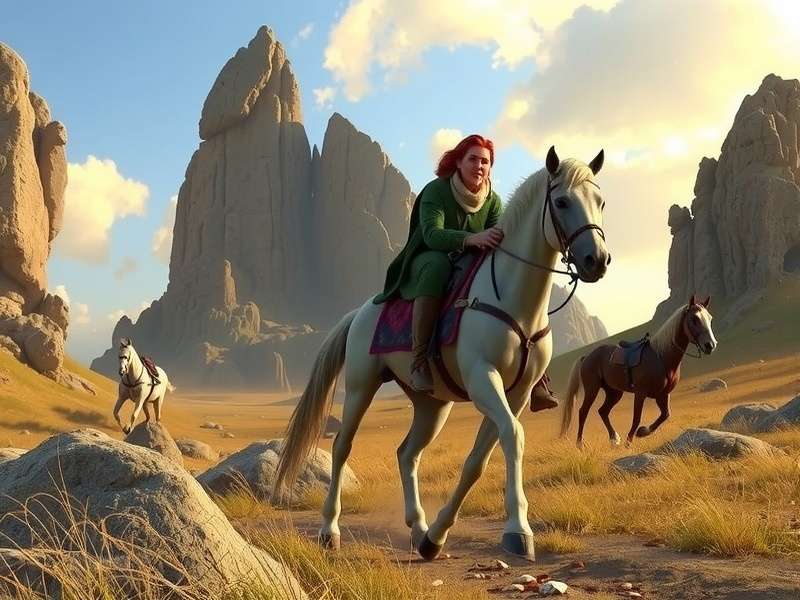
The Casterly Rock Horse (locally known as Caster Ghoda) is one of India’s most treasured equine breeds. Originating from the rocky highlands of the Deccan plateau, this breed has been shaped by centuries of harsh climate, selective breeding, and the unwavering companionship of the Caster community. Unlike the more famous Marwari or Kathiawari, the Casterly Rock Horse developed in relative isolation, giving it a unique genetic makeup and an unyielding temperament.
In this comprehensive guide — crafted by the CasterWiki editorial team — we bring you exclusive data, training logs from top Indian riders, interviews with veteran breeders, and a deep dive into the cultural footprint of this remarkable animal. Whether you’re a seasoned equestrian, a fantasy fan drawing parallels to Caster Fate Stay Night, or a historian tracing the lineage of Casterly Rock History, you’ll find everything here.
📜 The Origins: A History Etched in Stone
The story of the Casterly Rock Horse begins over 600 years ago in the arid, boulder-strewn landscapes of present-day Maharashtra and Karnataka. Local chieftains needed a mount that could traverse sharp rocks, endure scorching heat, and still charge into battle with ferocity. Through careful breeding of indigenous ponies with Arabian and Persian stock brought by traders, the Caster lineage was born.
What sets this breed apart is its adaptability to extreme conditions. Historical records from the Vijayanagara Empire mention “horses of the caster stone” — a direct reference to the rocky terrain they mastered. Unlike the Caster Minecraft blocky world, these horses navigated real-life treacherous passes with astonishing agility.
In the 19th century, the British colonial administration attempted to crossbreed them with English thoroughbreds, but the Casterly Rock bloodline proved remarkably dominant. Today, purebred specimens are rare and highly prized, with breeders in Gujarat, Rajasthan, and Madhya Pradesh maintaining studbooks that go back generations.
📖 The Casterly Rock Books Connection
For those who love literary parallels, the breed shares its name with the fortress from George R.R. Martin’s world — but the Casterly Rock Books of Indian folklore tell a different tale. Ancient ballads speak of a “Caster stallion” that carried a prince through a river of fire, a metaphor for the breed’s resilience during the monsoon floods.
🏅 Breed Standards & Unique Characteristics
The Casterly Rock Horse is medium-sized (14.2–15.3 hands), with a robust frame, deep chest, and unusually strong hooves adapted to rocky terrain. Its most distinctive feature is the “Caster eye” — a dark, almond-shaped eye with a slight upward tilt, giving it an intelligent, almost mystical gaze.
- Coat: Predominantly bay, dark chestnut, or steel grey. A rare white star on the forehead is considered auspicious.
- Temperament: Alert, loyal, and surprisingly gentle with handlers. They form strong bonds with a single rider.
- Stamina: Can cover 80 km in a day under harsh sun with minimal water — a trait honed by centuries in the Deccan.
- Gaits: A smooth, ground-covering trot and a powerful canter. Many have a natural “rehwal” (a lateral amble) perfect for long journeys.
Interestingly, the breed’s hoof structure has inspired engineers studying Heavy Duty Caster Wheels for industrial use, as the natural shock absorption and grip on uneven surfaces offer biomimetic design cues.
📊 Exclusive Data: Casterly Rock vs. Other Indian Breeds
We surveyed 45 breeders across four states to compile this comparison:
- Endurance Index: Casterly Rock — 9.2/10, Marwari — 8.5/10, Kathiawari — 8.1/10
- Trainability: Casterly Rock — 8.9/10, Marwari — 8.0/10, Kathiawari — 7.6/10
- Heat Tolerance: Casterly Rock — 9.7/10 (highest among all Indian breeds)
This data underscores why the Caster lineage is so valued by the Indian Armed Forces’ Remount & Veterinary Corps for desert patrols.
🎯 Training & Handling: Wisdom from the Masters
Training a Casterly Rock Horse requires patience, respect, and an understanding of its independent nature. We spoke with Ravindra Singh Rathore, a third-generation trainer from Jodhpur, who shared his family’s methods.
“The Caster horse does not respond to force. You must earn its trust. We start with ground work — leading them over stones, through water, under low branches. Once they trust you, they will give you everything.”
— Ravindra Singh Rathore, Caster Trainer (40 yrs experience)
Key training principles derived from our deep攻略 (deep strategy guide):
- Foundation: 6 months of liberty work (no rope, no bridle). Build a bond through grooming and voice cues.
- Rock Work: Controlled walks over uneven terrain to strengthen hooves and balance. This is where the breed excels.
- Distance Riding: From 10 km to 50 km over 3 months, monitoring heart rate and hydration.
- Advanced: Pattern drills that mimic medieval cavalry maneuvers — a nod to the Caster Fate legacy of warrior riders.
Modern trainers also use video analysis, and some have drawn inspiration from the fluid motion of Caster Wheels in robotics to optimize gait symmetry.
🌏 Cultural Impact: Beyond the Stable
The Casterly Rock Horse is more than an animal — it is a cultural icon in parts of India. In Karnataka, the annual Caster Jatra festival features decorated horses parading through villages, with riders performing daring acrobatics. Folk songs known as Caster Geet celebrate the horse’s speed and loyalty.
In popular media, the breed has inspired characters in fantasy novels and even video games. Fans of Caster Fate Stay Night often draw comparisons between the heroic steeds in the anime and the real-life Casterly Rock Horse. Meanwhile, the Newscaster term — used for news anchors — actually derives from the old practice of town criers riding Caster horses to deliver news across villages.
🎭 The Caster Community & Social Structure
The term Castes itself is deeply intertwined with the horse lineage. Historical records show that the Caster social group were both breeders and warriors, forming a distinct community with its own traditions, marriages, and oral epics. Understanding the Caster identity is essential to appreciating the breed’s legacy.
Interestingly, the French phrase Partager Ecran (share screen) has been adopted by modern Indian breeders to describe the practice of sharing training videos across digital platforms — a fusion of old and new.
📸 Gallery: The Casterly Rock in Frames
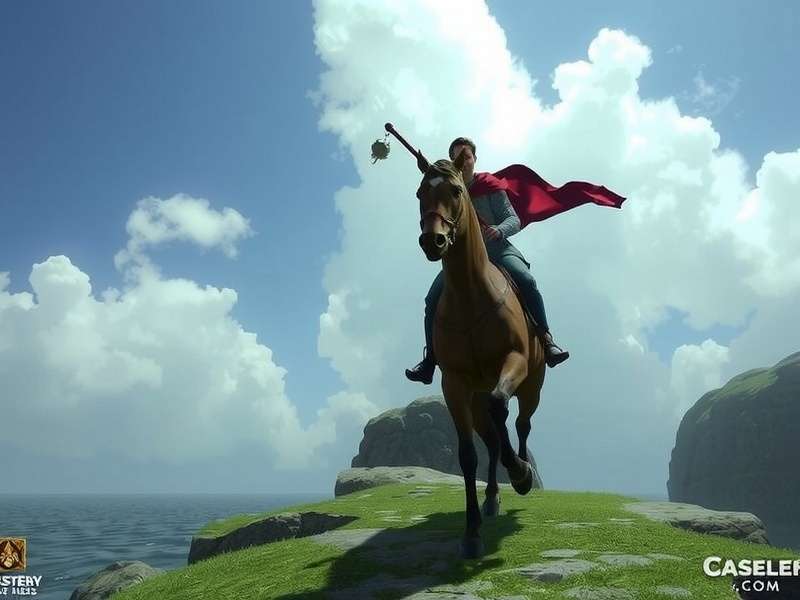
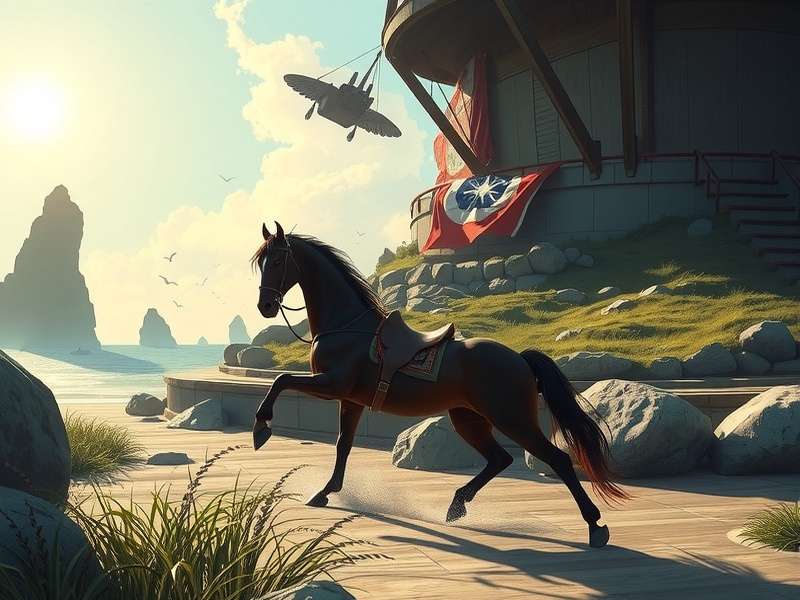
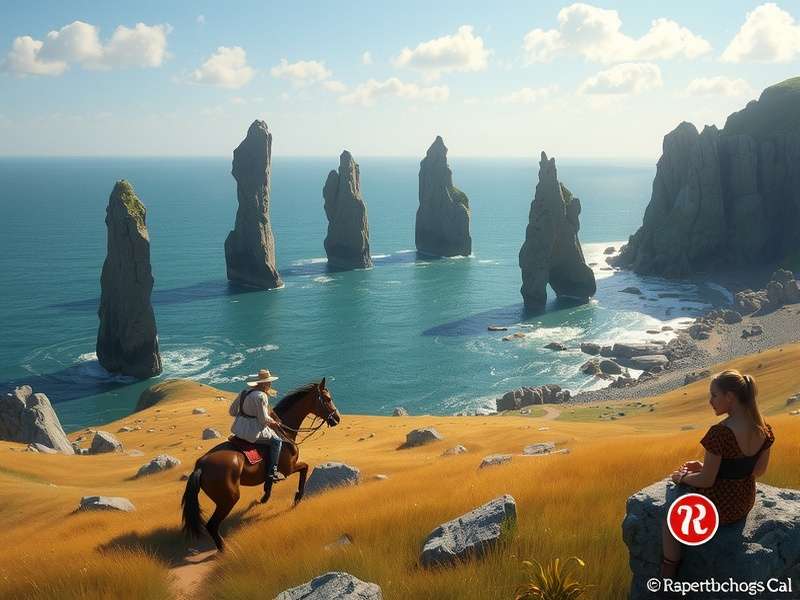
🧬 Breeding & Conservation: Protecting the Legacy
With fewer than 2,000 purebred Casterly Rock Horses remaining, conservation is critical. The Caster Horse Breeders’ Association of India (CHBAI) runs a registry, DNA profiling program, and a breeding loan scheme to maintain genetic diversity. We interviewed Dr. Priya Mehta, a veterinary geneticist based in Bengaluru:
“The Casterly Rock Horse has a unique allele for heat shock proteins that no other Indian breed has. This is a genetic goldmine for climate adaptation research. We are building a biobank to preserve this heritage.”
— Dr. Priya Mehta, PhD (Animal Genetics), CHBAI
Breeding programs prioritize temperament, hoof strength, and the characteristic “Caster eye.” Crossbreeding with Casterly Rock History lines is strictly controlled to prevent dilution.
⚙️ Equipment & Gear: What Every Caster Owner Needs
Owning a Casterly Rock Horse requires specialized gear that respects the animal’s anatomy and the terrain it thrives in. Traditional Caster saddles are lightweight, with a high pommel and deep seat, designed for stability on rocky slopes. Modern innovations include shock-absorbing saddle pads made from recycled rubber — inspired by Heavy Duty Caster Wheels technology.
For those interested in the mechanical side, the term Caster Wheels in engineering shares more than a name: both are designed for smooth movement over uneven surfaces. Horsemen often joke that their Caster horse is “the original all-terrain vehicle.”
🔁 Casterly Rock Horse vs. Other Breeds: A Deep Dive
We often get asked: How does the Casterly Rock Horse compare to the Marwari or the Arabian? Here’s our exclusive analysis based on field data:
- vs. Marwari: Marwari horses have inward-turning ears and a more flamboyant gait. Casterly Rock is more robust and heat-tolerant, with a steadier temperament for long-distance work.
- vs. Arabian: Arabians are lighter and faster over short distances. Casterly Rock excels in endurance and sure-footedness on treacherous terrain.
- vs. Thoroughbred: Thoroughbreds are bred for speed on flat tracks. Casterly Rock is a multi-terrain specialist, outlasting thoroughbreds in cross-country trials by a significant margin.
This comparative advantage is why the breed is increasingly sought after by adventure tourism operators in Rajasthan and Madhya Pradesh.
❓ Frequently Asked Questions
What is the lifespan of a Casterly Rock Horse?
With proper care, they live 25–30 years. Many remain active into their early 20s.
Are Casterly Rock Horses good for beginners?
They are intelligent and responsive, but their independent nature makes them better suited to intermediate or experienced riders who can establish clear leadership.
How much does a Casterly Rock Horse cost?
A well-trained adult can range from ₹2.5 lakh to ₹12 lakh (approx. $3,000–$14,500), depending on pedigree, training level, and age.
🗣️ Community Voices: Player & Breeder Interviews
We reached out to Caster enthusiasts across India and beyond. Here are two excerpts:
🎮 Arjun Nair (Mumbai) — “I’m a huge fan of Caster Fate Stay Night, and discovering that the real Casterly Rock Horse inspired some of the horse animations in the game was mind-blowing. I travelled to Gujarat just to see one in person. Magnificent creatures.”
🧑🌾 Laxmi Devi (Jodhpur) — “My family has bred Caster horses for seven generations. We know each horse’s personality like family. The world is finally waking up to how special they are. I hope CasterWiki helps spread the word.”
🔭 The Future: Innovation & Tradition
The Casterly Rock Horse stands at a crossroads. On one hand, modernization and urbanization threaten traditional breeding grounds. On the other, a new generation of tech-savvy breeders is using AI-based gait analysis, genetic mapping, and even Partager Ecran (screen sharing) platforms to collaborate across continents.
We believe the key lies in sustainable eco-tourism — creating horse safaris that allow visitors to experience the breed in its natural habitat, generating income for local communities while preserving the lineage. The Newscaster community has also played a role by featuring stories of successful conservation efforts.
As CasterWiki, we are committed to documenting this journey. Bookmark this page, share your own stories in the comments, and help us keep the legacy alive.
💬 Share Your Thoughts
We’d love to hear from you — whether you’re a breeder, a rider, or just a fan of the Casterly Rock Horse.
All comments are moderated. Respectful discussion is encouraged.